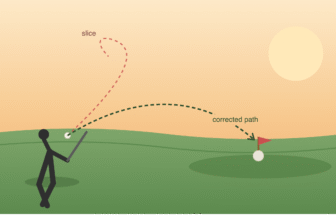
Not every hole rewards a driver swung at full speed. On tight, tree-lined fairways, the golfers who score well aren’t always the longest hitters, they’re the ones who think a shot ahead and play to their strengths instead of the scorecard’s yardage. This guide covers the course management principles that turn a nerve-wracking narrow fairway into just another manageable hole.
Why Tight Fairways Wreck ScorecardsGolf Shirts for Men
A tight fairway punishes one thing above all: an aggressive swing with no plan. When the landing area shrinks, the margin for error shrinks with it. A shot that would drift into the rough on a wide-open hole ends up out of bounds, behind a tree, or in a hazard on a tight one.
The fix isn’t swinging more carefully, it’s choosing a smarter shot in the first place.
Step 1: Take the Driver Out of Your Hand (Sometimes)
The biggest mistake golfers make on tight holes is defaulting to driver out of habit. A 3-wood, hybrid, or even a long iron off the tee often leaves you in the fairway with only slightly more club into the green — a trade worth making.
Ask yourself before every tee shot:
- What’s the widest part of this fairway, and which club gets me there?
- Where’s the trouble — left, right, or both sides?
- Is the risk of a driver worth the reward, or does it just bring more hazards into play?
On genuinely narrow holes, giving up 20–30 yards off the tee for a ball that’s actually in play is almost always the better trade.
Step 2: Play to the Fat Side
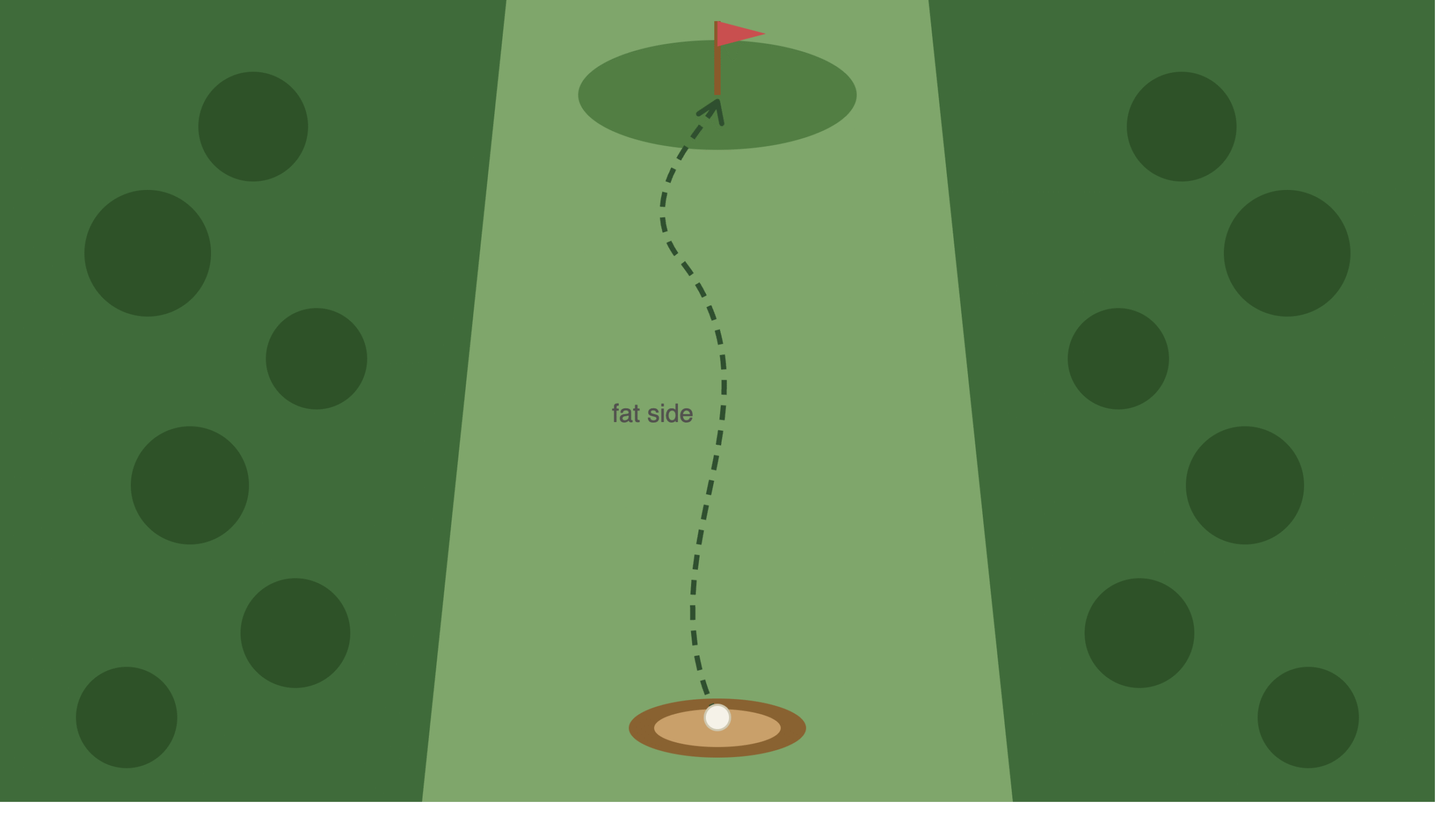
Every tight fairway has a “fat side” — the half of the fairway with more room, fewer hazards, or an easier recovery if you miss. Smart course management means picking that side and aiming your entire shot shape toward it, not just aiming down the middle and hoping.
How to apply it:
- Identify the trouble side (water, out of bounds, deep rough) before you tee up.
- Aim your target line toward the opposite, safer side.
- If you have a natural shot shape (draw or fade), use it to work the ball away from trouble instead of fighting it straight.
Playing to the fat side turns a 50/50 guess into a shot with real margin for error.
Is the Callaway 300 Pro Laser Rangefinder Worth It? Full Review & Buyer’s Guide
Step 3: Respect Your Miss
Every golfer has a “miss” — the direction the ball tends to go when the swing isn’t perfect. Ignoring your miss on a tight hole is how good rounds fall apart.
How to manage it:
- If you tend to miss right, aim slightly left of center so your typical miss still finds the fairway.
- Don’t try to “fix” your miss mid-round on a tight hole — plan around it instead.
- Choose a club and target combination where even a mediocre swing stays in play.
This single habit — playing to your actual tendencies instead of your ideal swing — saves more strokes than any swing tip.
Step 4: Commit to the Number, Not the Fear
Indecision is the enemy on tight fairways. Standing over the ball second-guessing club choice or target almost guarantees a tentative, off-center strike.
Pre-shot routine for tight holes:
- Pick your club and target before you step up to the ball.
- Take one final look at your target line, then commit.
- Swing at 80–90% effort rather than full speed — a smooth, controlled swing finds more fairways than a max-effort lash.
A committed swing at 85% almost always outperforms a hesitant swing at 100%.
Step 5: Think One Shot Ahead
Course management isn’t just about the tee shot — it’s about setting up your next shot too. Sometimes laying up short of a fairway bottleneck, or hitting less club to stay short of a slope that kicks balls into the rough, leaves an easier approach than reaching further with a bigger club.
Questions to ask on every tight hole:
- Where do I want to be standing for my next shot?
- Is there a spot in the fairway that gives me a better angle to the green?
- Would 10 fewer yards off the tee actually improve my approach shot?
Playing for position, not just distance, is the difference between a round full of pars and a round full of scrambling bogeys.
Quick Course Management Checklist
- ✅ Choose the club that fits the fairway width, not just the yardage
- ✅ Identify the fat side and aim away from trouble
- ✅ Play to your natural miss, not your ideal shot
- ✅ Commit fully to club and target before swinging
- ✅ Think about your next shot, not just this one
7 Best Golf Accessories You Need in 2025 – Essential Gear for Every Golfer
Final Thoughts
Tight fairways don’t require a better swing, they require a better plan. Club down when it makes sense, aim away from trouble, respect your natural miss, and commit fully to every shot. Golfers who manage the course this way consistently post lower scores than golfers who simply swing harder and hope.
The right gear helps too a stable, well-fitted pair of golf shoes keeps your footing solid on uneven or sloped tee boxes, which matters even more when precision counts on a tight hole.